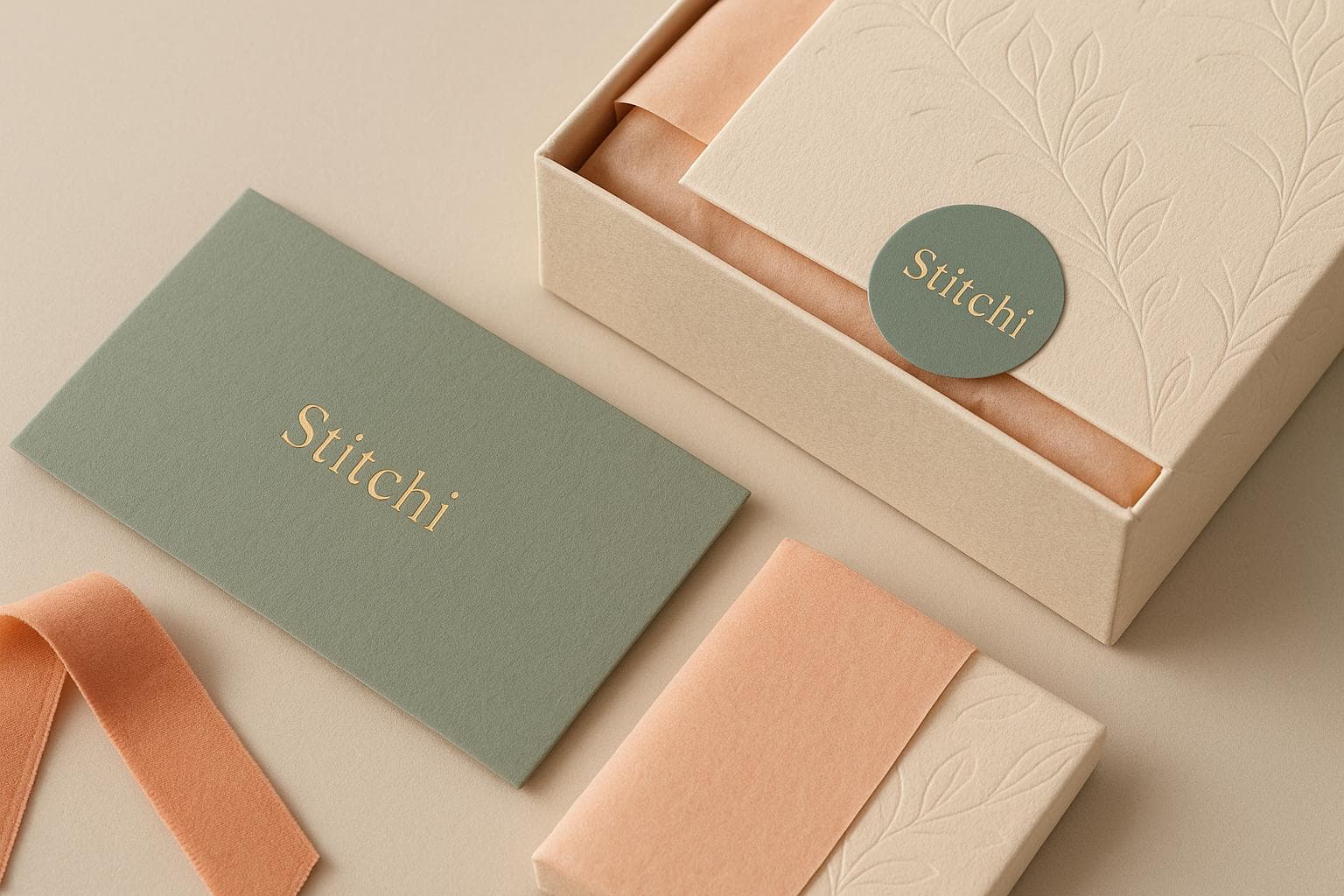
Ultimate Guide to Luxury Packaging for Events
Luxury packaging isn't just about presentation - it's about creating an experience. At high-end events, packaging plays a crucial role in setting the tone, building anticipation, and leaving a lasting impression. Here's what makes it stand out:
- Premium Materials: Rigid paperboard, textured finishes, metallic accents, and eco-friendly options like FSC-certified paper.
- Sophisticated Design: Magnetic closures, custom inserts, and tactile features like embossing, foil stamping, and soft-touch coatings.
- Purpose-Driven Packaging: Tailored for VIP gifts, product launches, or nonprofit events, each detail aligns with the event's goals and audience.
- Unboxing Experience: Multi-layer designs, personalized notes, and intuitive structures turn opening the package into a memorable moment.
- Sustainability: Recyclable materials, reusable designs, and reduced plastic use meet modern expectations without sacrificing elegance.
Luxury packaging isn't just functional - it communicates quality, exclusivity, and care. Whether you're planning a corporate retreat, gala, or product launch, thoughtful packaging enhances the event experience, reflects your brand's identity, and resonates with attendees long after the event ends.
Luxury Packaging Design & Branding
What Is Luxury Packaging for Events?
Luxury packaging for events transforms branded items into a sophisticated, ceremonial experience. It not only protects the contents but also conveys exclusivity and care, setting the tone for guests the moment they see it. Unlike standard event packaging, which often relies on generic mailers or simple boxes for efficiency, luxury packaging treats every detail as an opportunity to reinforce the brand’s identity. For instance, receiving a rigid presentation box with a magnetic closure and custom inserts sends a clear message: this event has been planned with meticulous attention to detail. Let’s explore the defining features and uses of luxury packaging that elevate it beyond the ordinary.
Characteristics of Luxury Packaging
Luxury packaging stands out through its materials, construction, and finishing touches - all of which work together to create an impression of quality and sophistication.
The materials used are often heavy and durable, such as thick rigid boards, which convey a sense of permanence and value. Textures like soft-touch coatings, linen finishes, or subtle embossing invite recipients to engage with the packaging before they even open it, creating a tactile connection.
Structural design is equally important. Premium packaging often includes hidden magnets, ribbon pulls, or drawer-style openings, creating an unboxing experience that feels deliberate and theatrical. Custom inserts, such as foam platforms or molded trays, not only secure the contents but also frame them as valuable and deserving of care.
Finishing techniques elevate the design further. Foil stamping in metallic gold, silver, or holographic finishes draws attention to key elements like logos or event names. Embossing and debossing add texture and dimension, while spot UV coatings create contrast by making specific areas glossy against a matte background. Even small details, like edge painting on rigid boards, add a polished touch visible even when the box is closed.
These finishes are most effective when used sparingly, highlighting key details like a brand mark, event date, or recipient’s name. This restraint ensures the packaging feels elegant and not overly complicated. The materials and design choices should align with the event’s tone. For example, a VIP gift at a hotel opening might feature a rigid magnetic box with a soft-touch finish and foil-stamped logo, while a conference welcome kit could use a folding carton with a debossed pattern and metallic-ink printing - still refined, but practical for larger-scale distribution.
Ultimately, these thoughtful details not only convey quality but also adapt to the unique needs of different events, as seen in the examples below.
Common Event Applications
Luxury packaging serves a variety of high-end events, each with unique goals and expectations. Here’s how it works in different contexts:
VIP experiences, corporate retreats, and gifting programs focus on personalization and building relationships. Packaging often includes recipients’ names, foil-stamped on the exterior, and carefully tailored contents. Since attendees may be traveling, the packaging needs to be compact and durable. For example, a tech company might send executives a rigid box with custom foam inserts holding a premium gadget and a hand-signed note. Similarly, a financial firm hosting a client summit could deliver a sleek mailer kit with a debossed sleeve, metallic-ink event schedule, and curated local gifts. These designs set the tone for the event and often double as keepsakes, extending the brand’s presence long after the event ends.
Product launch events use luxury packaging to create drama and excitement around the featured item. Nested layers, reflective materials, and custom inserts showcase the product as the centerpiece. Adding QR codes or NFC tags can guide recipients to exclusive content, preorder pages, or behind-the-scenes videos, turning the unboxing into an interactive experience. This approach builds anticipation and underscores the product’s importance.
High-profile hospitality events - like hotel openings or VIP suites at sports events - extend the venue’s brand through thoughtful packaging. In-room welcome gifts, turndown surprises, or at-seat experiences are designed to fit seamlessly into their environments. For example, a drawer-style box works perfectly on a hotel nightstand, while a sleek tube or envelope fits neatly on arena seats. These designs make guests feel valued while reinforcing the venue’s identity.
Nonprofit galas and fundraising events balance elegance with purpose. Donors expect high-quality presentation, but the packaging must also reflect the organization’s mission. Eco-friendly materials like FSC-certified paper and soy-based inks maintain a premium feel while demonstrating responsible use of resources. Packaging might include impact statements or beneficiary stories, turning the box into a meaningful representation of the cause.
For instance, Little Ghost partnered with Stitchi to create over six custom packaging designs in just 60 days, offering a full-service solution from manufacturing to fulfillment. This collaboration ensured the packaging aligned seamlessly with the event’s goals and brand identity [1].
Across all these applications, the key is intentionality. Luxury packaging should evoke a specific emotion, communicate a clear message, and feel like a natural extension of the event’s identity. Whether it’s delivered to a mailbox, waiting in a hotel room, or handed out at registration, it should reflect the brand’s commitment to excellence in every detail.
Planning Your Luxury Packaging
Creating luxury packaging starts with a solid plan that ties your event's goals to what attendees expect. Even the most stunning packaging can miss the mark without careful planning. This stage sets the foundation - defining your success metrics, budget, and audience - and influences every detail, from the materials you choose to how the packages are shipped.
Matching Packaging to Event Objectives
Your packaging should work just as hard as every other aspect of your event. Before diving into materials and finishes, think about what you're trying to achieve. Are you aiming to build brand recognition, deepen client relationships, or make a splash on social media?
Brand storytelling transforms packaging into a narrative tool. For instance, a fashion brand hosting a runway event might use textures and finishes that echo their collection. Imagine a matte black box tied with a silk ribbon that reflects the fabrics used in their designs. The packaging becomes an extension of the brand, creating a seamless journey from the invitation to the unboxing.
Attendee engagement focuses on making the experience personal and unforgettable. Add touches like foil-stamped names or layered packaging that reveals its contents bit by bit. A tech conference, for example, could include a QR code inside the box that unlocks exclusive content or early access to recordings, turning the packaging into a bridge to digital experiences.
Social media visibility calls for designs that beg to be photographed. Think bold colors, unique shapes, or finishes that surprise and delight. When attendees share their unboxing moments online, your brand gets organic exposure.
"We take the time to understand your goals, audience, and budget, ensuring your merchandise strategy delivers real value and resonates with your target audience." - Stitchi [1]
The most impactful packaging often hits multiple goals at once. For example, a VIP client gift could tell your brand's story through custom design, engage the recipient with personalized details, and generate buzz thanks to its visual appeal. During the planning phase, prioritize your objectives and find the right balance to meet your constraints.
Next, align your packaging design with your event's main goals.
Setting Your Budget
Clear goals and a deep understanding of your audience will directly influence your budget and production timeline. Luxury packaging comes in a wide price range, so knowing your event's needs will help you make smart choices about materials, finishes, and scale.
- Under $15 per unit: This range suits larger events and offers polished designs with basic premium features. For instance, a corporate retreat with 200 attendees might use folding cartons with a spot UV logo and custom inserts - elevated yet cost-effective.
- $15–$50 per unit: Mid-tier options in this range include higher-quality materials and multiple custom finishes. A client appreciation event for 50 attendees could feature rigid magnetic boxes with soft-touch coatings, foil stamping, and custom foam inserts.
- Over $50 per unit: At this level, the possibilities are endless. Fully customized designs with premium materials and intricate details are ideal for executive gifts or major launches. For example, a luxury hotel opening might present 25 VIP packages in rigid boxes with leather-textured covers, gold foil stamping, silk linings, and magnetic closures.
Remember, total costs go beyond the box. Materials, finishing techniques, and shipping all add up. Premium materials like rigid paperboard cost more than folding cartons, and each added element - like foil stamping or embossing - raises the price. Shipping can become a significant expense, especially for international events or tight deadlines, so compact designs can help save on costs. If your packaging involves multiple components that need to be assembled by hand, labor costs will also come into play.
"Our global fulfillment solutions streamline logistics, reduce shipping costs, and ensure timely, reliable delivery - whether you need bulk shipments or small-batch orders." - Stitchi [1]
Ordering in bulk can lower the per-unit cost but requires upfront investment and storage space. For recurring events, consider ordering extra to save for future use. Build a 10–15% buffer into your budget for unexpected costs, like last-minute attendee additions, damaged units, or design tweaks.
Understanding Your Recipients
Your audience’s expectations should guide your packaging choices. Executives will expect premium materials and personalized details, like a rigid magnetic box with their name foil-stamped on the lid. Clients and partners appreciate designs that reinforce your relationship while staying true to your brand. Media and influencers need visually striking, shareable designs - bold colors and high-contrast finishes are key. Even general attendees deserve thoughtful packaging. A well-designed folding carton with a few standout finishes can feel upscale without overcomplicating things.
Personalization doesn’t always have to mean adding individual names. For larger events, segment your audience and create variations that cater to each group while maintaining a cohesive brand identity.
With clear goals, a set budget, and a deep understanding of your audience, you’re ready to move forward into production and fulfillment.
Materials, Finishes, and Formats
The materials, finishes, and formats you choose for your packaging play a huge role in creating a sense of luxury. These elements influence everything from that first glance at the box to how well it travels during shipping - and even whether recipients hold onto it long after the event.
Premium Packaging Materials
The material sets the tone for your entire design. Rigid paperboard is often considered the benchmark for luxury event packaging. It offers durability, structure, and a weight that immediately communicates quality. These boxes maintain sharp edges, pair effortlessly with high-end finishes like foil stamping or soft-touch coatings, and feel substantial in hand - leaving a lasting impression.
Sustainability is no longer just a bonus - it’s becoming a requirement. FSC-certified and recycled-content papers are now standard in luxury packaging. Many U.S. brands are also prioritizing American-sourced materials, like domestic wood, recycled metals, and organic cotton, to align with "Made in USA" messaging. This approach resonates well at corporate events, where the packaging itself becomes part of the story.
For a tactile experience, textured papers are a standout choice. Uncoated stocks, linen finishes, cotton papers, and laid textures add depth and sophistication. Imagine a simple cream-colored box with a linen texture and a single foil-stamped logo - minimal yet undeniably elegant. These designs invite touch and linger in memory.
Textiles like velvet, satin, cotton canvas, and linen bring a different layer of luxury. They can wrap the box, line its interior, or even replace it entirely as pouches or bags. For example, a velvet-lined box for a jewelry launch or a canvas tote for a hospitality conference not only elevates the presentation but also encourages reuse, keeping your brand in focus.
For bold statements, materials like wood, leather, and vegan leather are excellent options. Wooden boxes with laser-etched logos work well for heritage brands or outdoor-themed events, while leather or vegan leather cases suit executive gifts or high-end product launches. While these materials can increase costs and shipping weight, they often become keepsakes rather than disposable packaging.
High-clarity plastics and bio-based alternatives also have their place. These materials are ideal for protective sleeves, transparent lids, or windows that preview the contents. As brands lean into sustainability, bio-based plastics are becoming a preferred option over traditional petroleum-based versions.
Once you’ve selected your materials, the right finishes can take your packaging to the next level.
Finishing Techniques
Finishes are the secret to making your packaging stand out visually and physically. The key is to focus on one or two impactful techniques rather than overloading the design.
Foil stamping adds metallic or colored accents, creating shine and contrast. Rose gold or copper foils, for example, can tie in with event themes or brand colors, making logos and text pop - especially in photos.
Embossing and debossing bring texture into the mix. Embossing raises design elements off the surface, creating shadows, while debossing presses them into the material for a more subtle effect. A debossed logo on linen paper, left unprinted, exudes understated elegance.
Spot UV and high-gloss varnish highlight specific areas with a glossy finish while the rest remains matte. This contrast adds depth and works beautifully with minimalist designs.
Soft-touch coatings are a favorite for their velvety feel, which pairs well with metallic foils or embossing. These finishes are particularly popular for tech events and modern hospitality brands, offering a balance of luxury and approachability.
Matte laminations, on the other hand, create a smooth, non-reflective surface that photographs beautifully and feels sophisticated. They’re versatile enough for everything from corporate galas to product launches.
Metallic inks provide a cost-effective alternative to foil stamping. While they lack the same reflectivity, they deliver shimmer and are great for covering larger areas, like patterns or borders.
Specialty coatings, such as sandy, rubberized, or linen-effect textures, add a unique tactile element. For instance, a sandy finish on packaging for a beach resort enhances the theme while making the box more engaging to touch.
Experts in the field often emphasize the power of multi-sensory unboxing experiences, incorporating textures, finishes, and even scents to leave a lasting impression.
With materials and finishes in place, the format of your packaging ties everything together.
Packaging Format Options
The structure of your packaging should complement the premium materials and finishes, completing the luxurious unboxing experience. The right format depends on your event, how the packaging will be distributed, and the story you want to tell.
Rigid lift-off lid boxes are a timeless choice. The lid completely separates from the base, creating a dramatic reveal. These boxes are perfect for on-site gifting at galas, VIP kits at conferences, or welcome packages at hotels. They’re sturdy enough to protect the contents and are often reused for storage, extending their life beyond the event.
Book-style and clamshell boxes open like a book, with a spine hinge connecting the two halves. This design builds anticipation as the box is opened, making it ideal for presenting items in a deliberate layout.
Drawer or slider boxes add an element of discovery, with a sleeve that slides out to reveal an inner tray. The sliding motion feels deliberate and satisfying, making this format a favorite for high-end corporate gifts or executive welcome kits.
Collapsible rigid boxes offer a practical solution for large events. These boxes ship flat, reducing freight costs, and can be assembled on-site without losing their premium feel. They’re especially useful for multi-city roadshows or nationwide employee events where shipping efficiency is key.
Premium mailer boxes strike a balance between shipping-friendly design and luxurious presentation. These corrugated boxes often feature high-quality printing and thoughtful interior elements like tissue paper, crinkle fill, or molded inserts, ensuring a memorable unboxing experience even when shipped directly to recipients.
Keepsake boxes are designed for long-term use. With features like special closures and premium materials, they often double as jewelry boxes, organizers, or display pieces. Weddings and milestone events frequently use keepsake packaging, as guests associate these boxes with cherished memories.
Reusable tote bags and pouches made from materials like canvas, cotton, jute, or vegan leather serve as both packaging and everyday items. A well-designed tote from a conference, for example, becomes a functional keepsake that keeps your brand visible long after the event.
Some event designers are even turning food presentations into unboxing moments, using custom boxes or cloches to make each course or favor feel like opening a gift. In these cases, the packaging becomes as memorable as the meal itself.
Finally, small structural details can elevate any packaging format. Magnetic closures add a satisfying snap, ribbon pulls make opening easier while adding elegance, and custom inserts hold items securely in place while showcasing them beautifully. These thoughtful touches ensure your packaging isn’t just functional - it’s unforgettable.
Creating the Unboxing Experience
The unboxing experience turns luxury packaging into a memorable interaction, making a strong impression on recipients. The aim is to create a cohesive experience that resonates with everyone who opens it.
Matching Brand and Event Themes
Your packaging should feel like a natural part of your brand, not just an extra detail. Start with your brand's style guide - its colors, logos, fonts, and tone - and weave in the event theme to add depth without losing your core identity.
Be intentional with brand colors. Use bold or dark tones for key areas like the box lid or a belly band to make an impact. Inside, stick to neutral shades to keep the design polished. For instance, a tech brand hosting an innovation summit might use its signature blue and gray but add neon accents or holographic foil to reflect the event's futuristic vibe. This keeps the brand recognizable while giving the event its own flair.
Place logos with care. A single, well-placed logo - on the lid, as a foil-stamped seal, or subtly inside the box - can feel more premium than multiple logos scattered throughout. Over-branding risks making the packaging look promotional rather than special.
Stick to your brand's typography rules. Use your brand's fonts but prioritize readability, especially for smaller text. Headlines should be short and impactful - ALL CAPS work for quick phrases but can be hard to read in longer blocks. For body text, stick to sentence case and use high-contrast colors, like dark text on light backgrounds, to ensure details like schedules or instructions are easy to read.
Incorporate event-specific messaging. Add purposeful touchpoints throughout the unboxing process. A welcome message on the exterior sets the tone, while phrases like "You're invited" or "You're appreciated" under the lid reinforce the event's purpose. Include a short story card to explain the significance of the items inside or how they tie into the event. Each message should focus on one goal - whether that's gratitude, excitement, or context - without repeating the same tagline everywhere.
Using a clear narrative can tie everything together. For example, frame the contents as a "toolkit" for the event, a "journey" through the experience, or a "playlist" of curated items. This storytelling approach helps guide recipients through the unboxing process without feeling forced.
Once your branding is in place, the next step is to design the unboxing process to reveal your event's story gradually.
Multi-Layer Packaging Design
Multi-layer packaging builds excitement and turns unboxing into an experience. Aim for 3–4 layers, each with a clear purpose.
A typical design might include: a sturdy branded shipper for protection and an initial impression, a rigid box with a lift-off lid or magnetic closure for the main reveal, and an inner layer like tissue paper, a belly band, or fabric wrap for a tactile transition. The centerpiece item would be nestled in a molded tray or die-cut insert, with a personalized note or small accessory tucked into a compartment or flap.
Ensure smooth transitions between layers. Features like ribbon pulls or thumb notches make each step intuitive. Avoid loose papers or clutter that distract from the main gift or materials. Each layer should feel deliberate, guiding recipients naturally to the next.
Choose internal components wisely. Foam or molded pulp inserts are great for fragile items, while die-cut cardboard or fabric pouches suit lighter or eco-conscious packaging. Smaller boxes or envelopes can organize items into categories - tech in one section, snacks in another, and printed materials in a third. Custom-fitted inserts keep items secure during shipping and present them in a way that flows. Place the most important elements - like event credentials or the main gift - front and center, with secondary items neatly organized in compartments.
Balance protection, design, and sustainability. While foam may be necessary for delicate items, paperboard or molded fiber works for most needs and supports eco-friendly goals. The choice depends on what you're packaging and the story you want to convey.
In 2025, Dom Pérignon introduced customizable champagne boxes that allowed buyers to add names or special messages. This personalization created a deeper emotional connection for customers, increasing satisfaction and encouraging repeat purchases [3].
This layered approach not only adds an element of surprise but also reinforces the premium feel of the event while keeping the design accessible for everyone.
Accessibility and Inclusive Design
Luxury packaging should be easy to open and enjoyable for everyone, regardless of physical ability. Accessibility is essential to creating an unboxing experience that reflects thoughtful design.
Simplify closures. Avoid tight lids or overly complex mechanisms. Instead, use pull tabs, ribbon lifts, magnetic closures, or thumb cutouts. These features are both elegant and user-friendly, ensuring that opening the box feels effortless.
Make opening steps clear. Use visual cues like contrasting colors, embossed lines, or printed arrows to guide recipients. The goal is to make the process intuitive so no one feels frustrated or confused.
Prioritize readability. Use font sizes of at least 12–14 points for key information like event details. Stick to high-contrast color combinations, such as dark text on light backgrounds, and avoid decorative fonts that are hard to read. Graphics and icons should be simple and clearly labeled to avoid any guesswork.
Incorporate sensory elements thoughtfully. Tactile features like embossed patterns can help visually impaired recipients distinguish between sections. However, avoid strong scents that might trigger sensitivities. If you include fragrances, make them optional - like a removable scented card rather than a coating applied to the entire box.
Add digital accessibility options. Include QR codes that link to digital versions of schedules, instructions, or event details. Ensure these resources work with screen readers and follow accessibility standards. This keeps the design modern while making sure everyone can access the information they need.
Test your design with diverse users. Have people from different backgrounds and abilities unbox your packaging without instructions. Gather feedback on ease of use, clarity, emotional impact, and overall quality. Adjust anything that feels confusing or difficult, such as hard-to-open flaps or unclear messaging, before finalizing your design. This step ensures a positive experience for all recipients and helps avoid costly redesigns.
A full-service partner like Stitchi can help bring your vision to life. From selecting the right box styles and finishes to curating branded merchandise for each compartment, they handle design, sourcing, and logistics. With experience across corporate events, hospitality suites, and conferences, Stitchi can guide you on best practices for layering, accessibility, and efficient execution - helping you create standout experiences while staying on budget and schedule.
sbb-itb-6f489d9
Sustainable Luxury Packaging
Sustainability doesn’t just complement luxury packaging - it elevates it. By carefully selecting materials and processes, brands can achieve a premium aesthetic while aligning with environmentally conscious practices.
Eco-Friendly Materials
Eco-friendly materials bring sophistication and responsibility together. Options like FSC-certified papers, recycled and biodegradable boards, organic cotton linings, plant-based inks, and water-based adhesives offer both durability and elegance. FSC-certified papers and biodegradable boards, for instance, are perfect for creating sturdy rigid boxes, inserts, and wraps with a refined finish. Meanwhile, organic cotton linings add a luxurious touch, making them ideal for jewelry or tech accessory packaging.
Innovative solutions are also making waves. Plant-based inks deliver vibrant colors without petroleum, and water-based adhesives provide reliable bonding with minimal environmental impact. Reusable packaging formats - such as fabric drawstring bags, rigid magnetic boxes, keepsake containers, or reusable tins and glass jars - extend the lifecycle of packaging. Materials like plantable seed paper or magnetic micromaterials introduce interactive elements that underscore sustainability while enhancing the unboxing experience [4][5][6][7].
These choices not only reduce environmental impact but also align seamlessly with luxury design, proving that sustainability and sophistication can go hand in hand.
Maintaining Quality with Sustainable Choices
The move toward sustainability doesn’t mean compromising on quality. Premium uncoated papers, for example, offer a naturally elegant feel and pair beautifully with techniques like embossing, debossing, and foil stamping. Textured finishes - such as linen or velvet overlays on recycled boards - add a tactile richness to box exteriors. Minimalist design approaches, emphasizing clean layouts, generous white space, and subtle color palettes, allow the inherent beauty of sustainable materials to take center stage. Thoughtful branding, like a discreet embossed icon or a small note about your sustainability efforts, can enhance the emotional connection without overwhelming the unboxing moment.
That said, working with sustainable materials can come with challenges, such as maintaining consistent quality, achieving specific tactile finishes, and managing costs. Collaborating with specialized packaging providers and rigorously testing materials through prototypes can help address these hurdles [4][5][2].
Stitchi combines its expertise in custom packaging with a commitment to sustainability, delivering designs that balance environmental responsibility with the sophistication expected at high-end events.
Production and Fulfillment
The logistics behind luxury packaging can significantly influence the overall event experience. Even the most exquisite designs lose their charm if they arrive late, damaged, or inconsistent. By understanding the production and fulfillment process, you can plan realistic timelines, uphold quality standards, and ensure every package reaches its destination in perfect condition.
Production Timelines
Timing is everything when it comes to luxury event packaging. The production process involves multiple stages, each with its own set of requirements and potential delays.
Creating initial prototypes typically takes 3–7 business days, while fully finished pre-production samples require 2–4 weeks. Once samples are approved, standard production runs vary depending on location. U.S.-based manufacturers often complete runs in 3–5 weeks, while overseas production can take 5–8 weeks, plus additional transit time for ocean or air freight. Complex designs - like multi-layer magnetic boxes with intricate inserts or specialty foils - may add 1–2 weeks to both sampling and production timelines.
To stay on track, work backward from your event date. Allocate 7–10 days before the event for final delivery, quality checks, and on-site setup. If assembly and kitting occur at a fulfillment center, plan for 1–2 weeks of lead time. Before that, allow 3–8 weeks for production, depending on whether your sourcing is domestic or international, plus transit time. Finally, set aside 2–4 weeks for design revisions, engineering, and sample approvals.
By adhering to a well-structured schedule, you can ensure the packaging meets luxury standards while staying on time. Once production is aligned, the next focus is on assembly and quality control.
Assembly and Quality Control
How packaging is assembled can directly affect efficiency and the unboxing experience. It starts with a bill of materials (BOM), detailed packing instructions, and a kitting map that outlines the placement and orientation of each item.
Assembly is often divided into stations to streamline the process. One station handles packaging setup, such as folding boxes and applying structural elements. Another focuses on inserting branded materials like cards or booklets. A third station places the actual products, while a final station manages sealing, labeling, and inspections. This organized workflow minimizes handling of delicate or premium items, ensuring they remain pristine.
For high-value items like electronics, fine spirits, or fragrances, extra care is essential. Teams often use custom inserts and handle items with gloves to avoid fingerprints or damage.
Quality checks are critical at every stage. Start with a golden sample approval, then conduct random in-production checks and final verifications to ensure print accuracy, color consistency, finishes, and structural integrity. This attention to detail ensures the final product reflects the premium standards expected from luxury events.
To protect items during transit, consider structural packaging features like rigid board construction, reinforced corners, and double walls. Protective inserts not only secure the items but also enhance the unboxing experience. The outer shipping carton should be designed to absorb impacts, with sufficient clearance and cushioning materials like corrugate or air pillows. Label cartons clearly with "This Side Up" to assist with proper handling during shipping.
Once the packaging is assembled and quality-checked, the final hurdle is navigating shipping logistics seamlessly.
Shipping and Logistics
Shipping luxury packaging requires meticulous planning to balance costs, carrier capabilities, and timing. For domestic U.S. shipping, zone-based pricing means costs rise as packages travel farther from their origin. Many brands mitigate this by using multiple fulfillment centers or strategically located warehouses to reduce shipping distances.
Choosing the right carrier involves weighing service levels, dimensional weight fees, handling charges, and potential surcharges. Building a 1–3 day buffer into your timeline can help offset unforeseen delays. For high-value shipments, consider adding signature confirmation and insurance for extra security.
International shipping adds another layer of complexity. Customs, duties, and documentation must be managed carefully. Using Delivered Duty Paid (DDP) ensures all fees are covered upfront, avoiding unexpected charges for recipients. Alternatively, Delivered Duty Unpaid (DDU) shifts the responsibility to the recipient but requires clear communication to prevent friction.
Addressing last-mile challenges - such as varied address formats or limited delivery windows - requires proactive measures. Validate addresses in advance, partner with regional carriers, and, when possible, opt for premium courier services offering tracking, in-country support, and re-delivery options.
Centralized logistics systems simplify these complexities. They allow brands to manage inventory, procurement, and fulfillment from one platform, reducing errors and providing real-time updates on stock levels and shipments. A single partner offering integrated consulting, creative development, and global fulfillment can streamline the entire process - from production and kitting to domestic and international shipping - all while maintaining consistent brand standards.
This approach is especially effective for recurring events or multi-city roadshows. By reusing proven packaging designs and automating reorders, companies can scale operations quickly without starting from scratch. For example, Craft developed a centralized merchandise system that improved fulfillment speed by 60% and provided complete inventory visibility [1].
To refine future campaigns, track key metrics such as on-time delivery rates, damage rates, total landed costs (including production, assembly, and shipping), and unboxing-related social media engagement. Reviewing this data helps brands fine-tune quantities, optimize packaging for cost and durability, and build a library of reliable configurations that balance luxury appeal with operational efficiency.
How Stitchi Supports Luxury Event Packaging
Pulling off luxury packaging for events isn’t just about aesthetics - it’s a logistical puzzle. From juggling multiple vendors to managing tight timelines, it can quickly become overwhelming. That’s where Stitchi steps in, acting as your one-stop partner for everything from design to delivery. By streamlining the process, Stitchi helps brands focus on the bigger picture - crafting unforgettable events - while ensuring their packaging reflects the premium quality they’re aiming for.
Complete Service from Stitchi
Stitchi kicks things off with a personalized consultation, diving into the specifics of your event - its goals, audience, and budget. From there, their team of brand experts creates a merchandise strategy tailored to your event’s theme and identity.
During the planning stage, Stitchi curates a selection of premium items, presenting them in customized catalogs and lookbooks. These aren’t your run-of-the-mill promotional goods; they offer bespoke merchandise and packaging solutions designed to elevate your event’s aesthetic.
Their signature four-step process - Partner, Plan, Produce, Propel - ensures every detail is covered. After understanding your vision, the team develops thoughtful product concepts and curations. Their in-house production team uses quality materials to bring these ideas to life, maintaining high standards throughout. And with their global fulfillment network, you can track progress in real time, making informed decisions along the way.
Take Little Ghost, for example. They worked with Stitchi to create a standout packaging experience, involving over six custom packaging designs - all completed in just 60 days from concept to delivery [1].
This end-to-end service transitions seamlessly into Stitchi’s robust logistics management.
Centralized Logistics Management
Once the packaging design is nailed down, Stitchi tackles the logistical hurdles. Managing inventory, procurement, and fulfillment across multiple locations - especially for events spanning cities or countries - can be daunting. Stitchi’s tech-driven platform simplifies this process, offering centralized control and transparency.
Through a single dashboard, you get full visibility of your inventory. You can track stock levels, monitor procurement, reorder items, and access real-time insights into your merchandise program’s performance.
Their global fulfillment system handles both bulk and individual shipments with ease. By optimizing shipping routes and consolidating orders, Stitchi ensures your packages arrive on time - whether it’s 50 deliveries across the U.S. or 500 headed overseas. Real-time tracking lets you keep tabs on shipments, spot potential delays early, and provide accurate updates - critical for events where timing is everything.
Craft is a great example of how this works in action. By using Stitchi’s warehousing, fulfillment, and design services, they built a more efficient merchandise system. The results? Fulfillment times were slashed by 60%, and inventory management became a breeze with complete visibility [1].
Custom Kitting and Packaging
The unboxing experience is where all the magic comes together. Stitchi’s custom kitting and packaging solutions are designed to leave a lasting impression on event attendees.
This starts with creative planning. Stitchi’s team develops packaging concepts that align with your event’s theme and the profiles of your recipients. They handle every detail of assembly, ensuring each unboxing moment is as impactful as you envisioned. For delicate or high-value items, they use specialized protocols to keep everything in pristine condition.
Their platform also allows for creating multiple packaging configurations. For instance, you could design distinct packages for keynote speakers, general attendees, and post-event follow-ups - all managed through the same system.
For brands running recurring events or multi-city tours, Stitchi’s approach is even more advantageous. Proven designs can be reused, reorders can be automated with historical data, and operations can scale effortlessly without starting from scratch.
From consultation and design to production, kitting, and global fulfillment, Stitchi offers a comprehensive solution. Their expertise helps brands deliver luxury packaging experiences that not only match the caliber of their events but also maintain consistent branding and operational efficiency.
Conclusion
When it comes to luxury packaging, every detail - design, strategy, and execution - plays a role in delivering an unforgettable event experience. Packaging sets the stage for your brand's promise before guests even step through the door. From the texture of the materials to the way each layer unfolds, every choice shapes how attendees perceive your event and remember your organization.
Start with a clear strategy. Your packaging should align seamlessly with your event’s goals and audience. A tech product launch for executives will call for sleek, modern designs, while a charity gala might benefit from more elegant, heartfelt touches. When the packaging mirrors the event’s purpose and the audience’s expectations, it becomes more than just a container - it becomes a tool for meaningful engagement.
Materials and finishes are where your vision takes shape. High-quality options like rigid board, textured papers, and specialty coatings elevate the tactile and visual appeal. These materials signal your commitment to excellence. Add techniques like foil stamping, embossing, or soft-touch lamination for a polished, sophisticated feel that leaves a lasting impression.
The unboxing experience is where the magic happens. Thoughtful details like multi-layer designs, branded tissue paper, custom inserts, and coordinated colors turn a simple box into a journey of discovery. Each layer should build excitement while remaining intuitive and easy to open. When done right, the packaging becomes an extension of the event itself, enhancing the overall experience.
Sustainability doesn’t detract from luxury - it enhances it. Eco-friendly materials like FSC-certified paper, reusable keepsake boxes, and minimal use of plastics deliver a refined aesthetic while aligning with environmental values. Treat sustainability as an opportunity to innovate, not as a limitation, and you’ll create packaging that feels both responsible and premium.
Of course, even the most stunning packaging can fall short without flawless logistics. Work backward from your event date to allow time for sampling, approvals, and adjustments. Partner with fulfillment experts who specialize in handling delicate, high-value shipments. Centralized inventory management, real-time tracking, and rigorous quality control ensure your packaging arrives on time, in perfect condition, and consistent for every recipient. Collaborating with professionals like Stitchi can streamline the entire process, from strategy to delivery.
When all these elements come together, your packaging does more than impress - it delivers on your event’s promises. Luxury isn’t just about the packaging itself; it’s about the experience it creates. By aligning your goals, choosing premium materials, crafting thoughtful unboxing moments, prioritizing sustainability, and planning logistics with care, you’ll create packaging that delights guests, strengthens your brand, and drives engagement.
To get started, define your event goals, set a realistic per-guest budget, gather inspiration, and document your packaging plan. These steps will help turn ideas into actionable strategies, ensuring your next high-end event leaves a lasting impact.
FAQs
How does luxury packaging elevate the experience of an event?
Luxury packaging is a key ingredient in crafting an unforgettable and upscale event experience. It instantly conveys a sense of exclusivity and elegance, making guests feel genuinely valued. Beyond its visual allure, well-designed packaging reflects the event's theme and reinforces its brand identity.
Using premium materials and fine details, luxury packaging transforms an ordinary gift or favor into something truly memorable. Whether it’s for a corporate gala, a wedding, or a product launch, this kind of packaging adds a layer of sophistication that lingers in the minds of attendees long after the event concludes.
What are some eco-friendly luxury packaging options that maintain a high-quality feel?
Sustainable luxury packaging is entirely possible without compromising on elegance or quality. Start by incorporating recyclable materials such as kraft paper, cardboard, or glass. These options not only offer durability but also help minimize waste. Another great choice is biodegradable materials like plant-based plastics or compostable alternatives, which break down more naturally and reduce environmental impact.
For an upscale feel, consider reusable packaging - think fabric pouches, wooden boxes, or metal tins. These can serve as thoughtful keepsakes, adding value for your recipients while eliminating single-use waste. To ensure your packaging aligns with eco-friendly values, source materials from certified sustainable suppliers. This approach blends sophistication and responsibility, offering packaging that’s as stylish as it is mindful.
How can you create luxury packaging that is both stylish and practical for event attendees?
To craft luxury packaging that stands out visually and serves its purpose effectively, start by honing in on design elements that resonate with the event’s theme and brand identity. Opt for premium materials, refined finishes, and intricate details such as embossing or foil stamping to give the packaging an upscale appearance. The design should exude sophistication while aligning seamlessly with the event’s overall tone.
Functionality is just as crucial. The packaging should be easy to open, carry, and reuse. Think about the attendees' needs - whether they’ll need to carry it during the event or transport it home - and tailor the design accordingly. Features like sturdy handles, secure closures, or well-thought-out compartments can make the packaging more practical without sacrificing style. Well-designed packaging not only enhances usability but also leaves a memorable impression, adding an extra layer of value to the event experience.